

Labora Diamonds
Diamond Education
Know What You’re Wearing
Diamonds are beautiful.
Understanding them should be simple.
From how lab-grown diamonds are created to the 4Cs, certification, sustainability and jewellery care, here’s everything worth knowing before choosing yours.
02 — The 4Cs of Diamonds
Four Letters. A Better Way to Understand Your Diamond.
Every diamond has its own combination of characteristics.
The traditional framework used to describe many of those characteristics is known as the 4Cs:
Cut. Colour. Clarity. Carat.
No single C tells the whole story.
Think of them as four parts working together to shape how a diamond looks, feels and is valued.
CUT
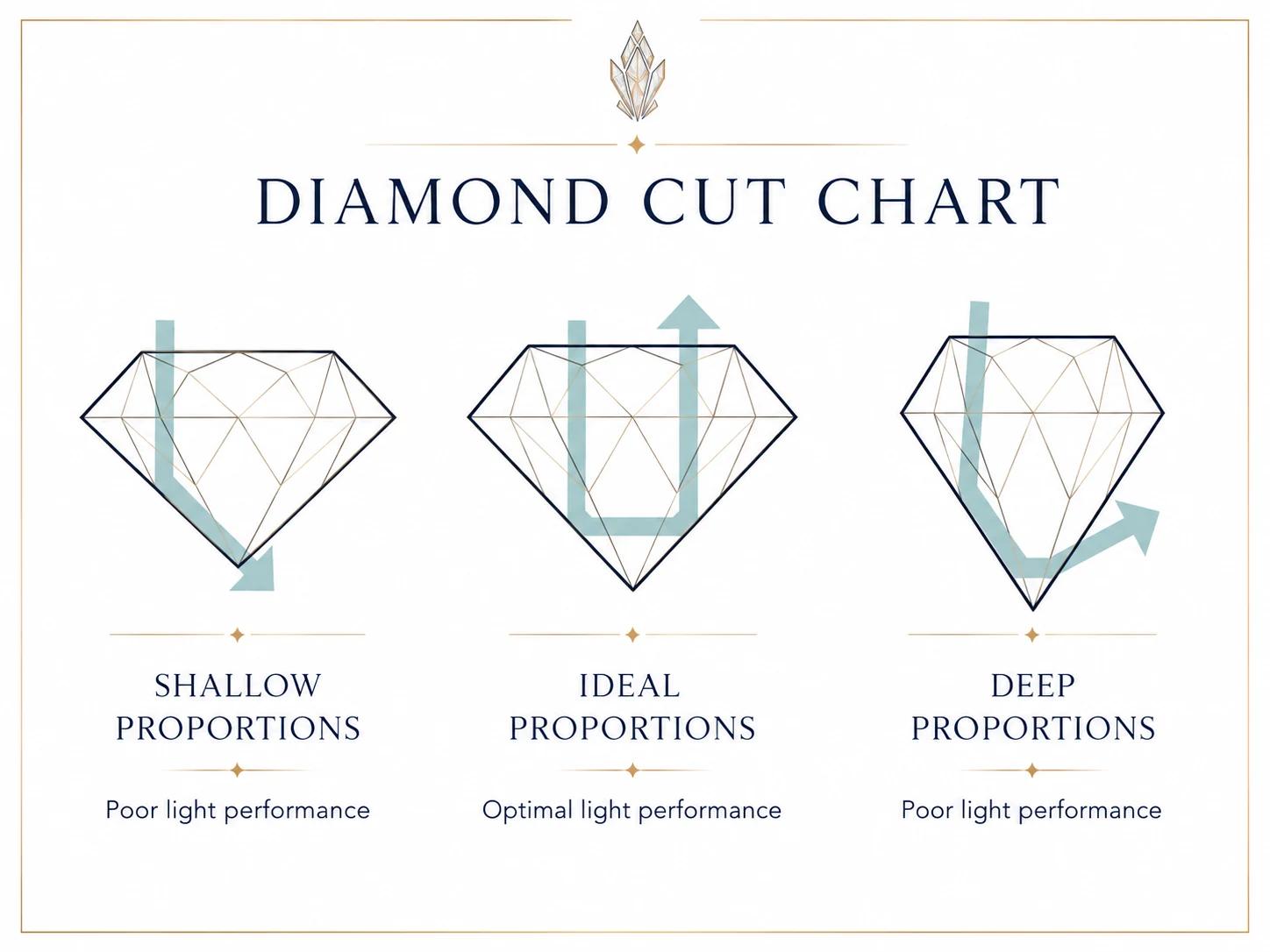
How a Diamond Handles Light
Cut is often confused with diamond shape.
They are not the same thing.
Shape describes the outline of a diamond: round, oval, pear, emerald and so on.
Cut relates to how a diamond’s proportions, symmetry and polish influence the way it interacts with light.
A well-cut diamond can reflect and return light effectively, contributing significantly to its visual appearance.
When choosing a diamond, carat weight may tell you how much it weighs. Cut helps determine how brilliantly that diamond performs.
Labora Diamonds Tip
When comparing diamonds, don’t look at size alone.
Pay attention to how the diamond looks when it moves.
COLOUR
Sometimes, Less Colour Means a Higher Grade
For diamonds graded on the commonly used D-to-Z scale, colour grades describe the degree to which noticeable colour is present.
The scale begins at:
D — Colourless
and continues through increasing levels of detectable colour toward Z.
Differences between neighbouring grades can be subtle and may not always be obvious without controlled viewing conditions.
The best choice depends on the diamond, setting, metal colour, design and personal preference.
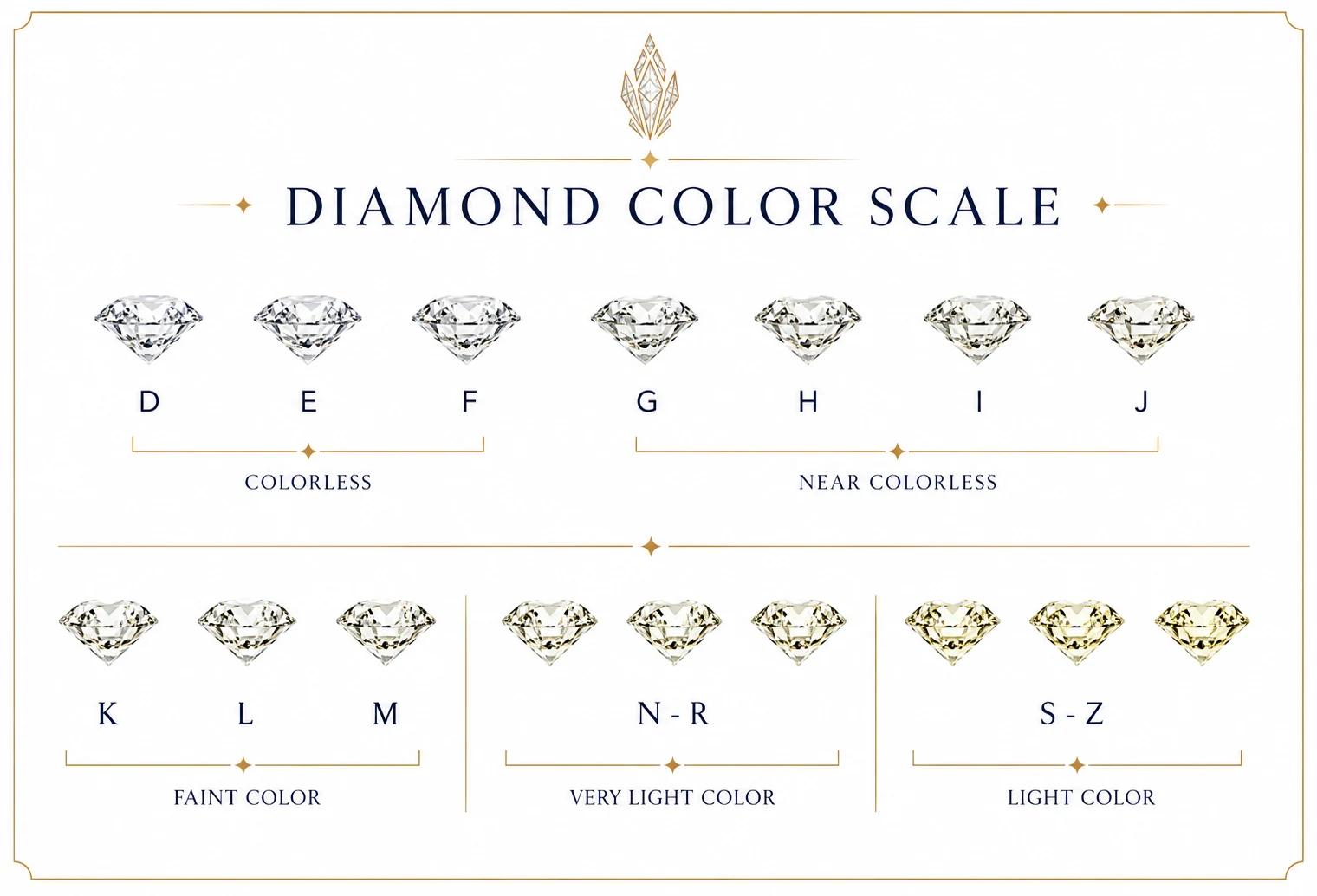
| Group | Overview | Grades |
|---|---|---|
| Colourless | No detectable colour to the naked eye | D–F |
| Near Colourless | Slight warmth that is rarely noticeable to the naked eye | G–J |
| Faint Colour | Subtle tint visible to the naked eye in most lighting | K–M |
| Very Light Colour | Noticeable yellow, brown, grey, or pink tint in most lighting | N–R |
| Light Colour | Strong, clearly visible tint | S–Z |
Labora Diamonds Tip
A grading letter matters.
So does how the finished jewellery actually looks on you.
CLARITY
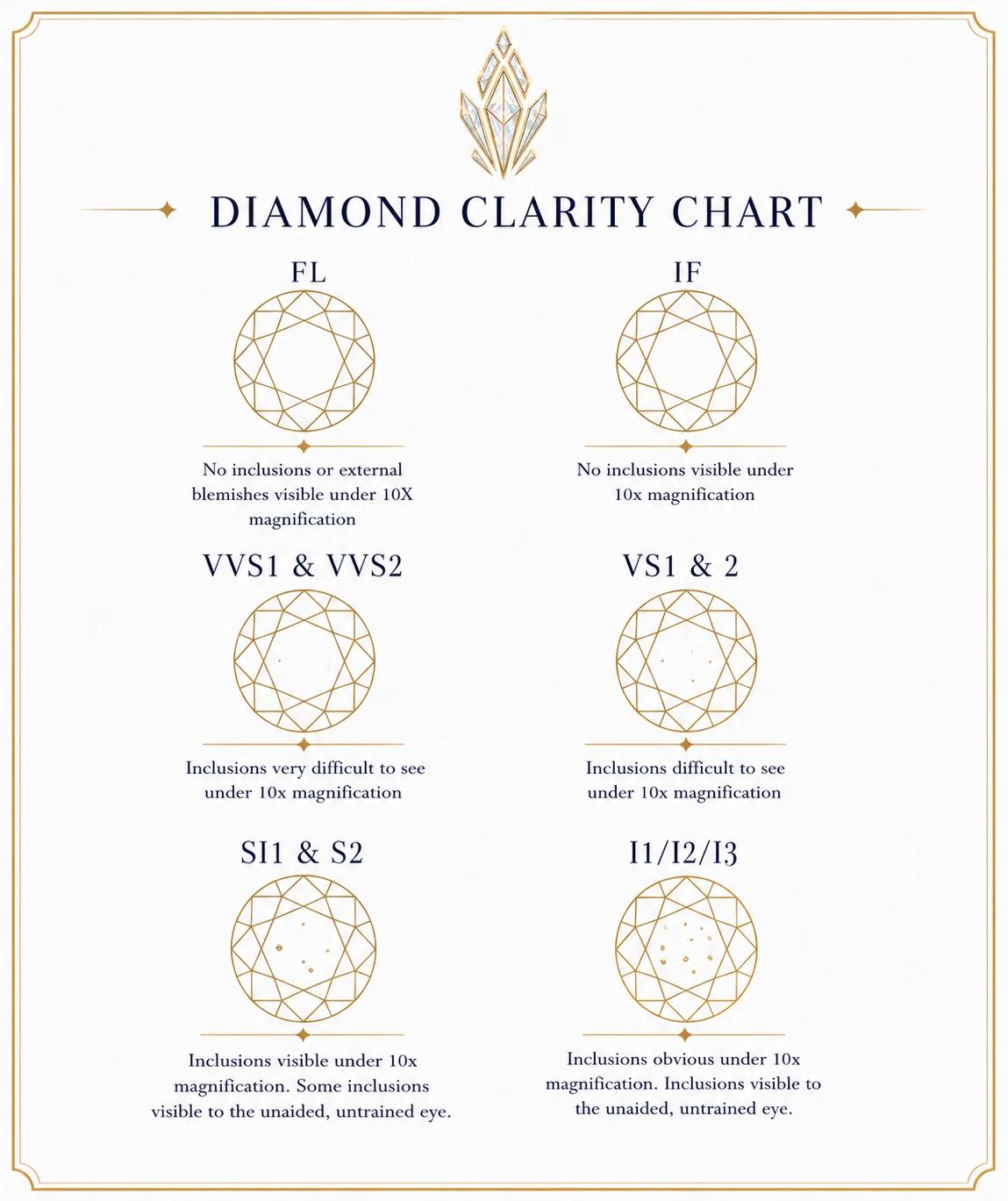
Every Diamond Has a Story Under Magnification
Clarity describes characteristics found within or on the surface of a diamond.
Internal characteristics are generally called inclusions.
External characteristics are generally called blemishes.
Diamonds are examined under controlled conditions and assigned clarity grades based on factors including the size, number, position and visibility of these characteristics.
Higher clarity does not automatically mean a diamond will appear dramatically different to the naked eye.
Labora Diamonds Tip
The goal isn’t always the highest grade.
It is finding the right balance of appearance, specifications and value for the piece you want.
CARAT
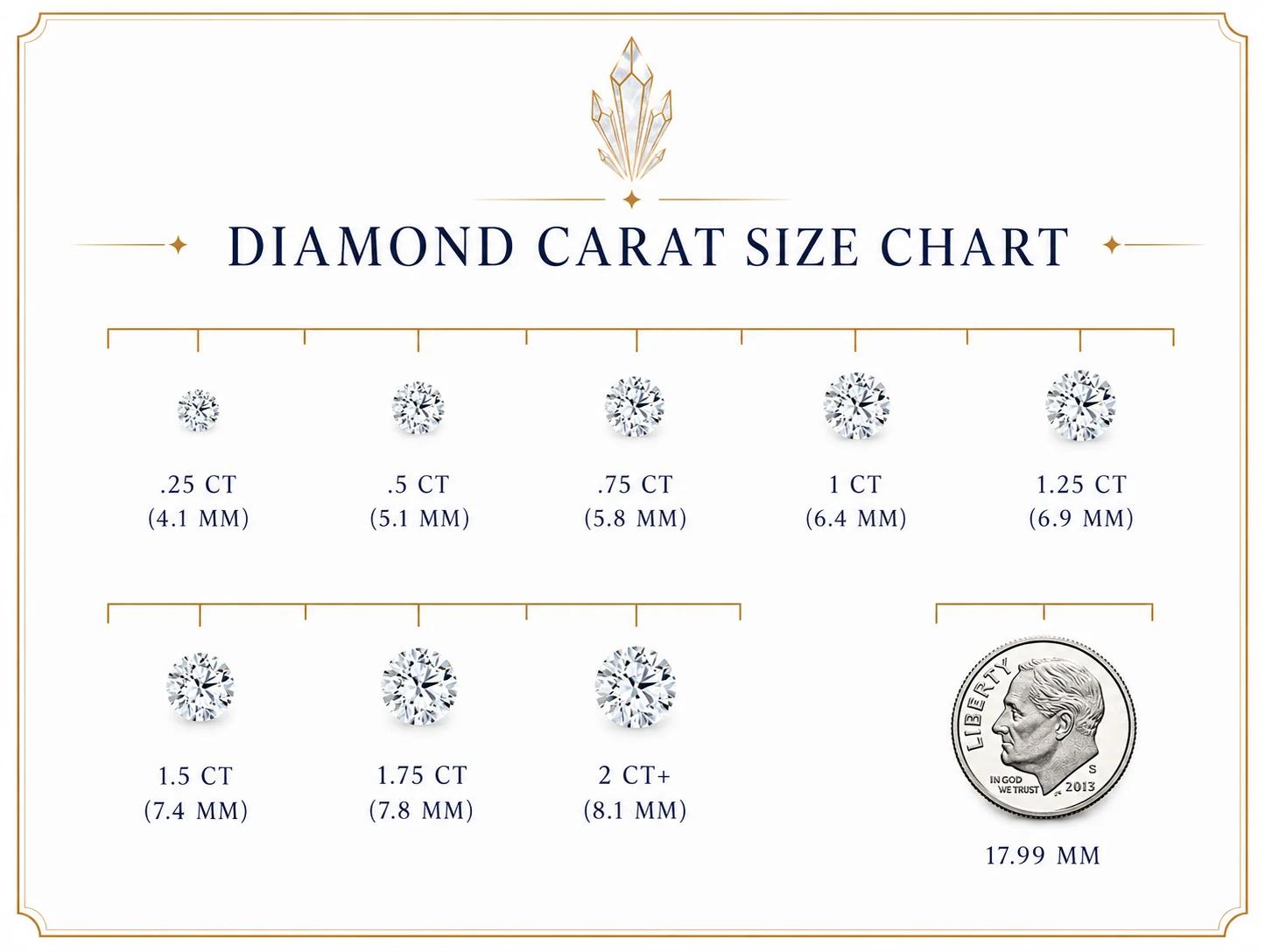
Weight, Not Size
Carat measures the weight of a diamond.
1 carat = 200 milligrams.
But carat weight and visible size are not exactly the same thing.
Two diamonds with the same carat weight can appear different in size depending on their shape, proportions and how their weight is distributed.
That means a larger carat number does not automatically equal a better-looking diamond.
Labora Diamonds Tip
Choose the diamond that looks right, not simply the number that sounds impressive.
The 4Cs Work Together
There is no universally perfect combination.
A beautiful diamond comes from the relationship between its characteristics and the design in which it is set.
That is why diamond buying should not feel like chasing four maximum numbers.
It should feel like understanding what matters most to you.
Explore Our DiamondsKnow More. Choose Better. Wear More.
You don’t need to become a gemologist to choose jewellery you love.
You just deserve enough information to make the decision confidently.
Learn what matters.
Choose what feels right.
Then do the most important thing:
Wear the diamonds.
Labora Diamonds
Everyone Deserves Diamonds.